One curriculum, no seams
Each level was designed as a continuation of the one before it. There are no breaks in method or philosophy: the child who enters Pre-K and the adolescent who finishes Middle School walk one coherent path.
From age 3 to 15
Pre-K, Kindergarten, Elementary, and Middle School are not four separate schools under one roof. They are the stages of a single formation, conceived as one coherent whole.
Each level builds on the previous one, with the same classical Liberal Arts curriculum and the same 50/50 bilingual program — without the abrupt transitions that interrupt a student's formation.
Level 01
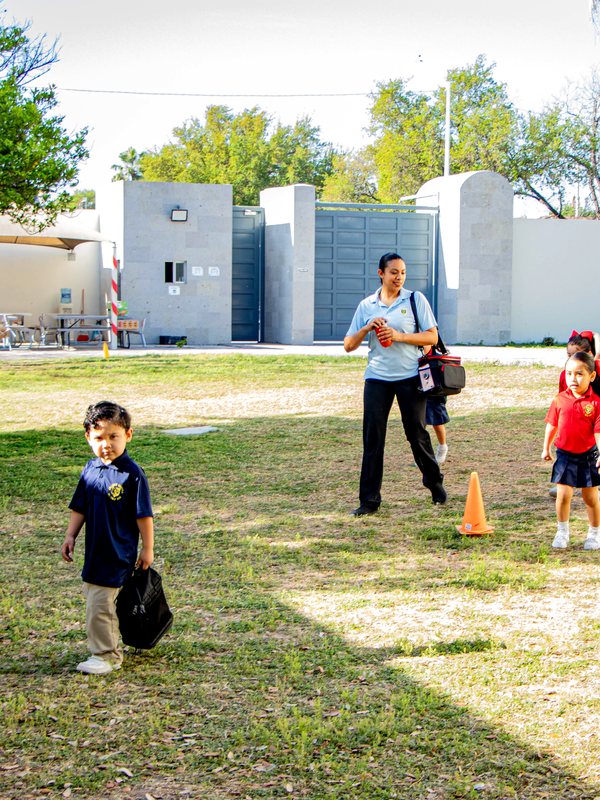
Ages 3 to 4The first encounter with bilingual academic life.
Intentional play, sensory discovery, and affective formation. The stage where a child learns to be part of a community and to love learning before any formal demand.
Level 02
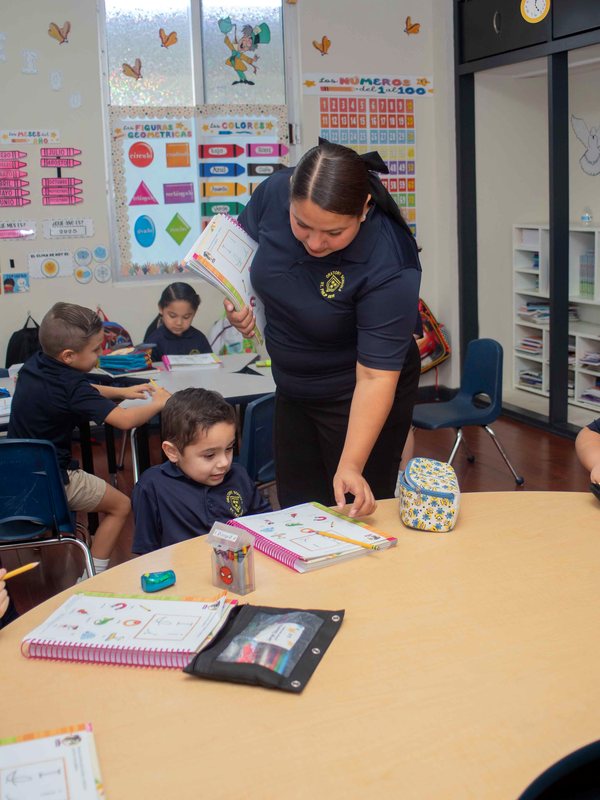
Ages 4 to 6The foundations of rigorous thinking, in two languages.
Early reading, beginning writing, and concrete math. The grammar stage of the Trivium in its purest form: absorption, memory, pattern recognition.
Level 03
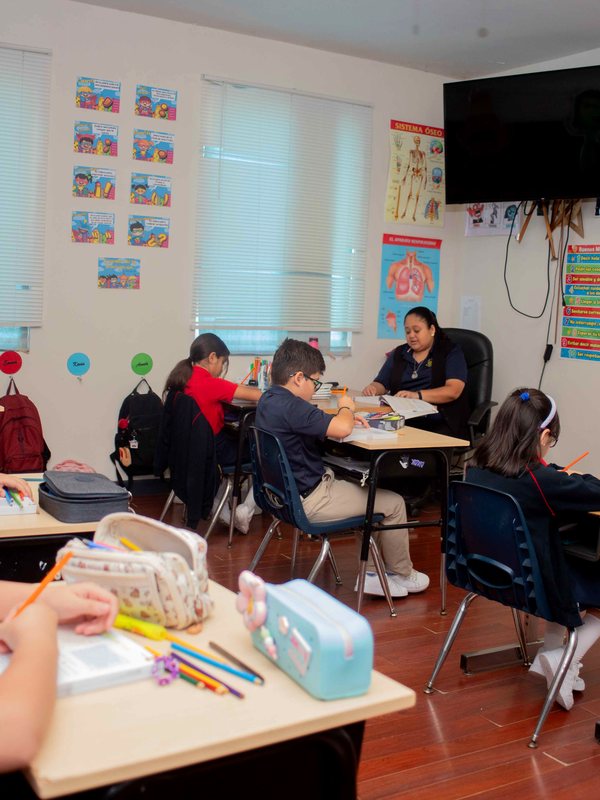
Ages 6 to 12The classical curriculum flourishes.
Grammar, literature, history, science, and math in depth. Reading the first classics, increasingly formal writing, and First Communion as a milestone of school life.
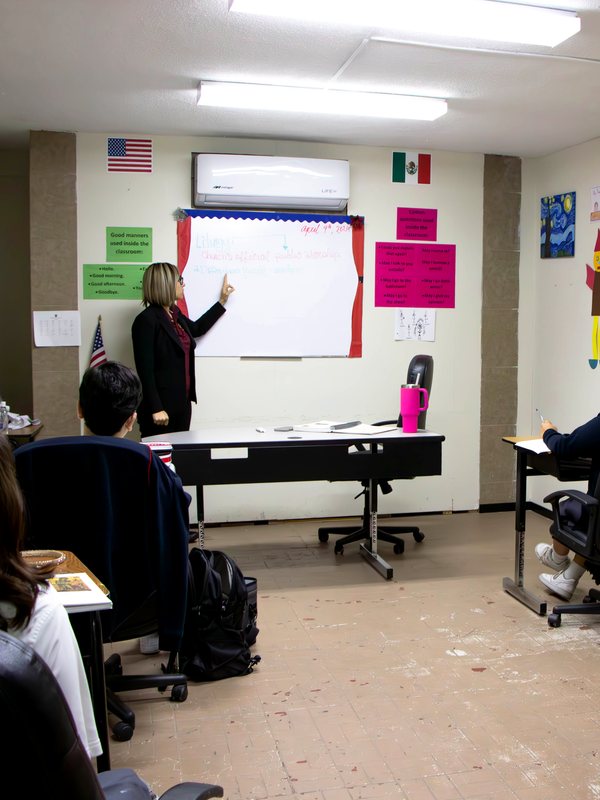
Level 04
Ages 12 to 15Critical thinking, logic, and essay writing.
The logic stage of the Trivium: structured debate, argument analysis, more serious literature. Real preparation for high school and university — in Mexico or the United States.
Why one school
Changing schools between levels is costly: each change resets bonds, methods, and expectations. At Newman, the twelve years are one continuous arc.
Each level was designed as a continuation of the one before it. There are no breaks in method or philosophy: the child who enters Pre-K and the adolescent who finishes Middle School walk one coherent path.
Siblings share a campus. Teachers know one another across levels. Families belong to a stable community for twelve years — not a school they change at every stage.
The classical Trivium respects how the mind matures: absorption in the early years, reasoning in adolescence, expression in high school. Nothing is asked too soon, nothing possible is postponed.
Frequently asked questions
The most common questions from families deciding which stage to begin with.
We welcome students at every level, subject to availability and an admissions assessment. Ideally — especially for the bilingual component — it is best to start as early as possible, but we support those who enter at higher levels with a supervised transition period guided by the academic office.
Yes. Each level fully meets the expected learning outcomes of the National Study Plan. What we add is depth, the classical method, and the bilingual component of the Pharr Oratory system. Certificates are official and nationally valid.
The Newman Institute of the Oratory in Reynosa offers Pre-Kinder through Middle School. High school (with the Rhetoric stage of the Trivium) is completed in the Pharr Oratory system in Texas, with which we share a model and pedagogical coordination.
It is gradual and accompanied. Because it is a single school with a single curriculum, there is none of the rupture students suffer when changing schools between stages. Teachers coordinate the handoff of each cohort, and families receive guidance on what changes at each step.
Take the first step
Schedule a tour and walk the campus level by level. You'll see the classrooms, the method, and the community that will accompany your child for years.